GUIDES
GUIDELINES
Diabetes Resources
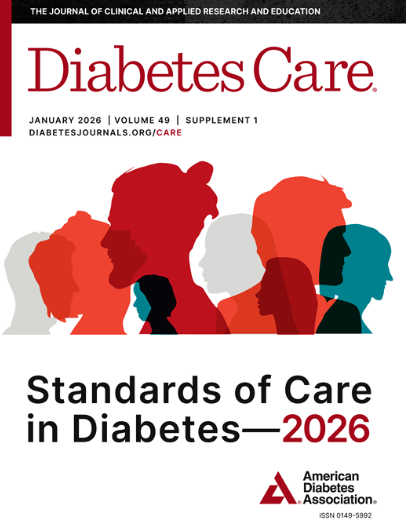
The AMERICAN DIABETES ASSOCIATION (ADA) publishes yearly guideline updates for optimal treatment of type 1, type 2, and gestational diabetes.

Select the guidelines pictured above to access the latest standards of care from the ADA.
Type 1 Diabetes
·
Type 2 Diabetes
·
Gestational Diabetes
·
Type 1 Diabetes · Type 2 Diabetes · Gestational Diabetes ·
Pre-diabetes
Blood sugar levels become higher than normal due to lifestyle and genetics. At this point lifestyle interventions can prevent it from becoming type 2 diabetes.
Gestational
Although this can resolve after pregnancy, it can increase your chances of developing type 2 diabetes in the future.
Type 1
Non-genetic, autoimmune disease where the body attacks its insulin producing cells in the pancreas (B-cells). Overtime, the body stops producing insulin and becomes insulin dependent for life.
Type 2
Overtime, the body develops resistance to insulin and/or stops producing enough insulin. Lifestyle and family history often contribute to developing type 2 diabetes.
Lifestyle Interventions
-
A general recommendation from the American Heart Association for all adults is 150 minutes per week of aerobic activity (preferably as 30 minutes 5x a week or 50 minutes 3x a week)
At times, intense cardio can increase blood sugars eg. runner’s high is caused by increased stress hormones (adrenaline). Monitor your body’s response as results vary person to person.
-
Foods are ranked on a glycemic index from 0 — 100 depending on how fast they increase glucose.
Examples of low glycemic index foods include non-starchy vegetables such as spinach, whole grains, and lentils.
-
Most diabetics will be consistently dehydrated due to high blood sugars. It is important to drink plenty of water (average adults require 8 cups per day) and rehydrate after exercise or extended periods in the sun.
-
For various reasons, diabetics have sensitive and dry skin compared to non-diabetics.
Using unscented creams and avoiding hot showers is recommended to maintain skin integrity
What is diabetes
Medications & Supplements
Metformin is one of the most commonly prescribed medications for type 2 diabetes although often supplemented with GLP-1s such as Ozempic or SGLT2is such as Jardiance.
Select the button below for more information on medications.
Apart from prescription medications, several supplements exist which may provide some additional help in lowering blood glucose. Studies are limited in most cases and individual results may vary — under no circumstances should natural supplements replace medications in treatment.
Some natural supplements which might contribute positively include:
Cinnamon
Berberine
Magnesium & Chromium
among others.
Select the button below for more information on supplements.
Diabetic Devices
Meters
Available over the counter
Measure glucose at given point not continuous
Use a new lancet each time
Clean and dry fingertip prior to prick and prior to touching supplies
Prick on sides of finger pad, not on the center.
Attach new test strip each time, just seconds before pricking your finger
Place drop of blood onto tip of test strip
Supplies are light and heat sensitive; keep away from harsh temperatures
Continuous Glucose Monitors
Provides a continuous measurement of blood glucose
DexcomG7 lasts 10 days although recently released 14 day
Freestyle libres are 14+ days
Be careful to apply onto FDA approved areas for improved accuracy
Insulin Pumps (FDA approved only to contain fast acting insulins)
Tubed insulin pump with touchscreen control
Delivers insulin through a small infusion set under the skin
Known for precise dosing and CGM compatibility
Medtronic MiniMed 780G insulin pump
Tubed insulin pump widely used in clinical practice
Uses an infusion set placed under the skin
Designed for steady, continuous insulin delivery
Omnipod 5 insulin management system
Tubeless “patch” pump worn directly on the skin
Controlled wirelessly (no tubing)
Disposable pod replaced every few days
Beta Bionics iLet Bionic Pancreas
Wearable tubeless insulin delivery system
Designed to simplify insulin dosing decisions
Focuses on reducing daily manual adjustments
Complications from uncontrolled diabetes
Macrovascular Complications
Heart Disease & Stroke: High blood sugar speeds up hardening of the arteries making diabetics twice as likely of having a stroke.
Poor circulation and poor wound healing
Microvascular complications
Kidney damage from high blood sugars and proteins in the urine damaging the filtration system in the kidneys.
Nerve damage at nerve endings leading to numbness, tingling and ultimately loss of sensation
Eye damage from high blood sugar causing damage in retinal blood vessels leading to complete loss of eyesight
Further complications
Amputation commonly of lower limbs
High risk of diabetic coma from high blood sugar
Osteoporosis especially for Type 1 diabetics
Alzheimers and dementia from uncontrolled glucose